I’m gonna be honest, the first time I heard about a sitemap generator, I rolled my eyes a bit. It sounded like one of those boring backend SEO things that only hardcore developers or people with five monitors care about. I was more focused on writing content, tweaking headlines, refreshing blogs, that usual stuff. But yeah, turns out ignoring this was kind of like cooking a great meal and forgetting to tell anyone where your house is. Google can’t show up if it doesn’t know the address.
I’ve been writing SEO-ish content for around two years now, not an expert, still learning every week honestly. And one pattern I keep seeing online, especially on Twitter and random SEO Reddit threads, is people complaining that their pages aren’t indexing. They blame Google updates, AI content, competition, even astrology sometimes. But half the time, the site structure itself is messy. No roadmap. No clear signal saying “hey search engine, start here.”
Search Engines Are Lazy, Just Like Us
Think of Google like that friend who says they’ll visit you but only if you send a proper location pin. If you just say “somewhere near the mall,” they’re not coming. That’s how search engines behave too. They don’t want to dig around your site guessing which pages matter.
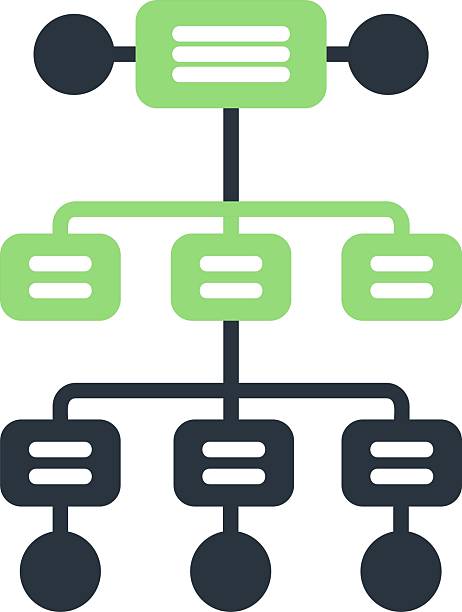
A sitemap is basically that location pin. It tells crawlers what pages exist, when they were updated, and which ones deserve attention. I read somewhere (might’ve been a niche SEO forum, don’t quote me) that sites with clean sitemaps can get new pages indexed up to 40 percent faster. Not some viral stat everyone shares, but still interesting.
I once worked on a small blog that had decent content, okay traffic, nothing crazy. The owner kept asking why new articles took weeks to show up on Google. We added a sitemap, submitted it properly, and suddenly new posts were appearing in days. Was it magic? Nah. Just organization.
Messy Websites Feel Normal Until They’re Not
Most websites start innocent. Five pages, clean layout, everything links fine. Then content grows. Blogs pile up. Old pages get forgotten. URLs change because someone wanted a “fresh look.” Before you know it, your site is like a WhatsApp group with 300 unread messages.
This is where people underestimate structure. Online, there’s a lot of talk about backlinks and content quality (which matters, yeah), but technical basics don’t get enough love because they’re not sexy. No one tweets “wow my sitemap fixed everything” — unless they’re deep into SEO Twitter, and even then it’s half sarcasm.
I’ve personally seen websites with solid content lose rankings simply because Google couldn’t crawl things properly. Broken paths, orphan pages, stuff buried so deep it’s basically in witness protection.
Why Website Owners Keep Skipping This Part
From my experience, a lot of beginners think search engines are smarter than they actually are. Like, “Google will figure it out.” Sometimes yes, often no. Especially if your site isn’t huge or authoritative yet.
There’s also this misconception floating around on social media that sitemaps are “old SEO.” That idea pops up every few months, then disappears when people realize indexing problems still exist in 2025. SEO trends change, but basic crawling hasn’t magically vanished.
Another thing is fear. Anything that sounds technical scares people. The word “generator” alone makes it feel like code is involved. Most of the time, it’s literally a few clicks. But yeah, fear beats logic.
What Actually Happens When You Use One
This is not some overnight ranking boost button. Let’s be clear. It won’t suddenly put you above Amazon. What it does is clean communication. Search engines understand your site better. Pages don’t get ignored accidentally. Updates get noticed faster.
It’s like cleaning your room before guests come over. You’re not changing the house, just making it easier to walk around without stepping on Lego pieces. Crawlers appreciate that more than we think.
Also, smaller sites benefit way more than big brands. Big sites get crawled constantly anyway. New blogs, service sites, local businesses, those are the ones that really need help waving at Google saying “yo, I exist.”
A Quick Story From My Own Screw-Up
I once spent weeks optimizing content for a niche service page. Keywords were right, content was decent, internal links were okay. But the page just wouldn’t show up. I kept tweaking text like a maniac. Turns out the page wasn’t even in the sitemap. Rookie mistake, yeah. Fixed it, submitted again, and boom, indexed in three days. That one hurt my ego a bit.
Moments like that teach you faster than any YouTube tutorial.
Wrapping This Up Without Sounding Like a Teacher
If you’re serious about SEO, even a little bit, ignoring structure is like trying to grow plants without watering them. You might get lucky once, but it’s not sustainable. A sitemap generator isn’t exciting, it won’t go viral, and no one will compliment you for it. But quietly, in the background, it does its job. And honestly, those are usually the tools that matter most in the long run.