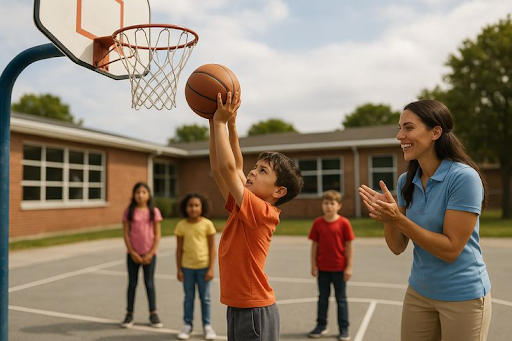
Emotional development is a vital part of early childhood growth. It shapes how children understand themselves and connect with others. For young learners, building emotional skills is just as important as learning numbers or letters. This development lays the foundation for healthy relationships and confident communication. In settings like child care and preschool, emotional growth is carefully supported through daily activities and interactions. Creating a warm, responsive environment helps children explore feelings and develop empathy naturally.
The Role Of Child Care In Emotional Growth
Child care refers to the supervision and care of children during the day, often outside the home. Beyond basic needs, quality child care focuses on emotional nurturing. Caregivers provide consistent comfort, helping children feel safe and valued. This sense of security encourages kids to express emotions openly. The child care settings often include routines that help children anticipate what’s next, reducing anxiety. When caregivers respond thoughtfully to emotional cues, children learn how to manage feelings like frustration or sadness. These early experiences in child care shape emotional resilience that lasts a lifetime.
Emotional Skills Fostered In Preschool Environments
Preschool introduces young learners to structured social settings where they interact with peers. Preschool is an educational environment designed for children typically aged three to five. Here, emotional development grows through cooperative play, sharing, and communication. Teachers encourage children to name their feelings and recognize emotions in others. Through group activities, kids practice patience, turn-taking, and problem-solving. These moments are essential for building self-awareness and emotional regulation. The preschool also offers opportunities to celebrate achievements, boosting confidence and a positive self-image.
Child Care Providers Supporting Emotional Language
One key aspect of nurturing emotional development in child care is promoting emotional language. When children learn words for their feelings, they can express themselves better. Caregivers model phrases like “I feel happy” or “I’m upset,” helping kids articulate emotions instead of acting out. This verbal skill reduces misunderstandings and tantrums. Child care providers often use storytime and role-play to explore different emotions. These strategies teach children that all feelings are okay and manageable. The development of emotional language in child care settings strengthens communication and deepens bonds between children and adults.
Creating Emotionally Safe Spaces In Preschool Settings
An emotionally safe space is crucial in preschool for young learners to thrive. Preschool classrooms that prioritize emotional safety allow children to take risks without fear of judgment. Teachers foster a culture of respect and kindness, guiding children to support one another. Emotional safety also means recognizing and validating each child’s unique experiences. When children feel accepted, they are more willing to try new activities and express their true selves. This atmosphere encourages emotional growth by reducing stress and promoting positive interactions.
Parental Involvement In Preschool Emotional Development
Parents play an essential role in reinforcing emotional development alongside preschool efforts. Collaboration between parents and preschool teachers ensures consistent messages about emotions. When parents engage with their child’s emotional experiences at home, it complements what children learn in preschool. Sharing observations and strategies between parents and educators strengthens support for the child’s emotional needs. This partnership helps young learners feel secure across different environments, promoting steady emotional growth.
Conclusion
Nurturing emotional development in young learners is a foundational goal of both child care and preschool. These settings provide the structure, support, and opportunities children need to explore and understand their feelings. Through caring relationships, guided activities, and safe spaces, children build emotional skills that carry into their future.